
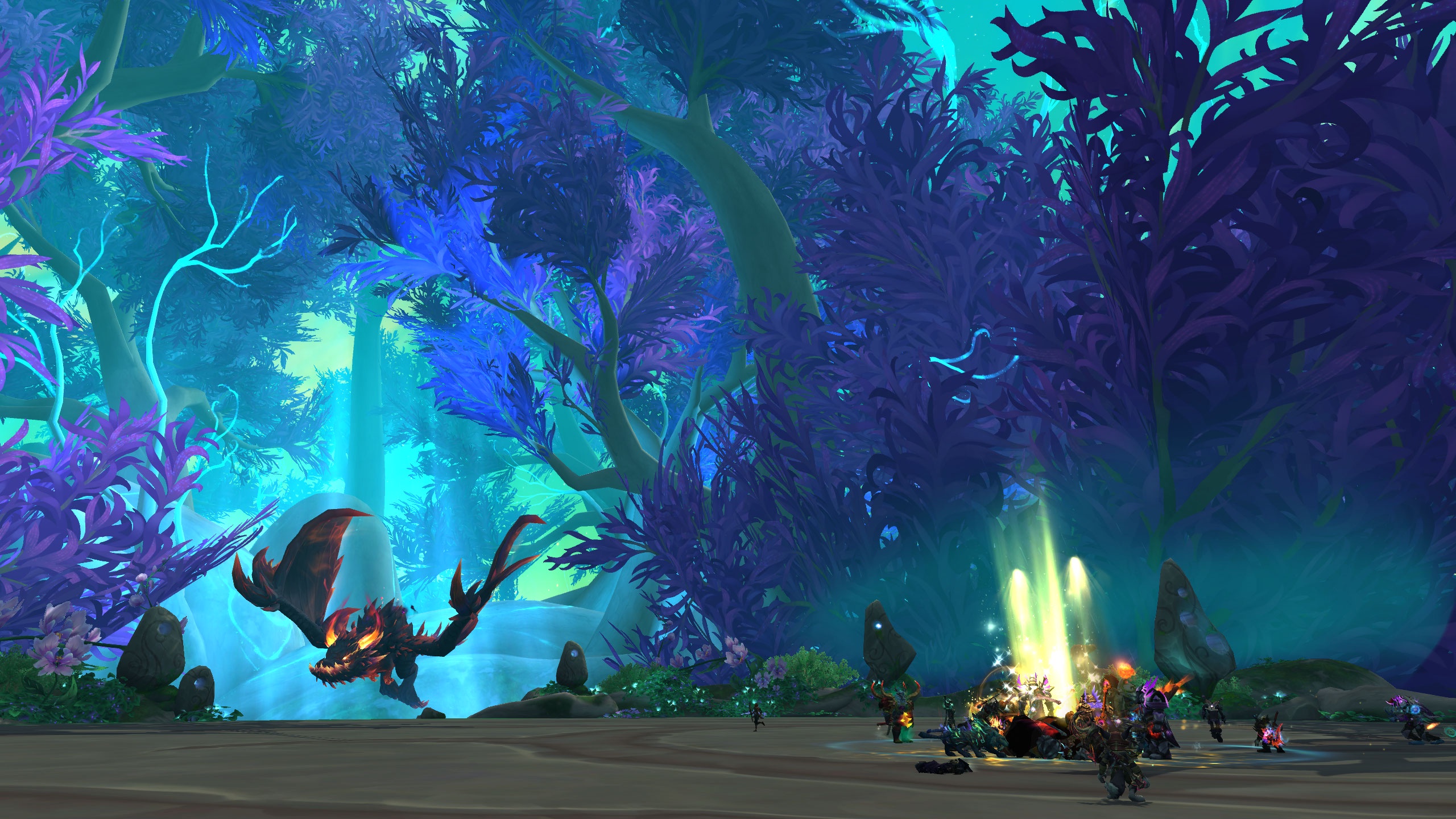






World of Warcraft (WoW) raids are the pinnacle of PvE content, known for their complexity and the teamwork they demand. While powerful gear and optimal group composition are essential, mastering raid mechanics is the true key to success. Each encounter introduces unique challenges that test players’ ability to strategize, adapt, and execute with precision. This article explores the critical role mechanics play in WoW raids and how players can master the art of strategy to overcome even the toughest bosses.
The Foundation of Raid Mechanics
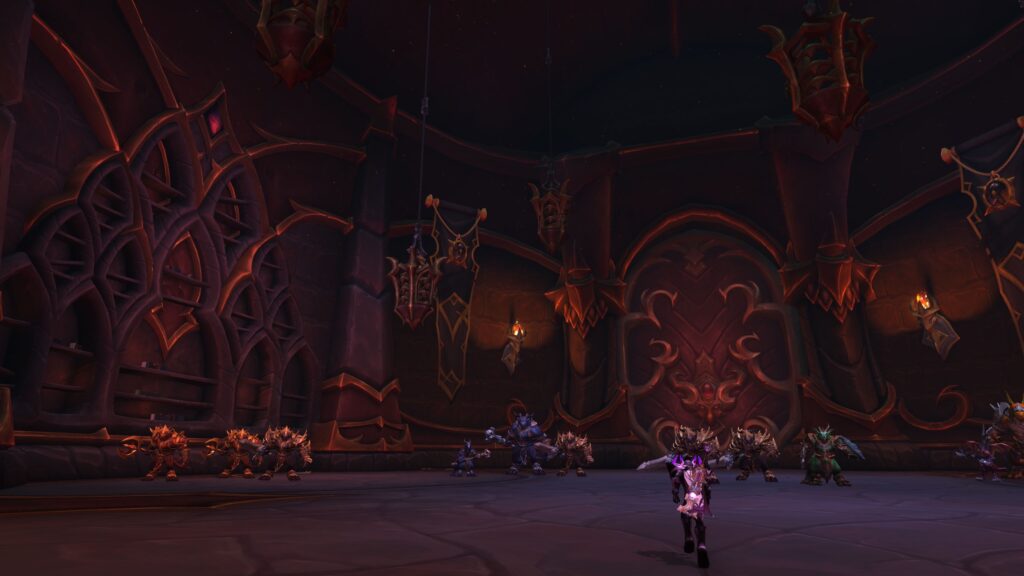
Raid mechanics are the scripted challenges that define each encounter, dictating how players must react to the boss’s abilities and environmental hazards. They form the core of raid design, ensuring that every battle is more than just a damage race.
Common Raid Mechanics:
- Positioning: Avoiding hazards like fire or void zones while staying within range of healers and the boss.
- Interrupts and Crowd Control: Managing the boss’s abilities or adds to prevent devastating attacks.
- Phase Transitions: Adapting strategies as bosses shift into new phases with different abilities.
- Debuffs: Handling negative effects that require cleansing or careful movement to avoid spreading.
These mechanics challenge players to communicate and coordinate, laying the groundwork for a successful raid team.
How Mechanics Drive Strategy
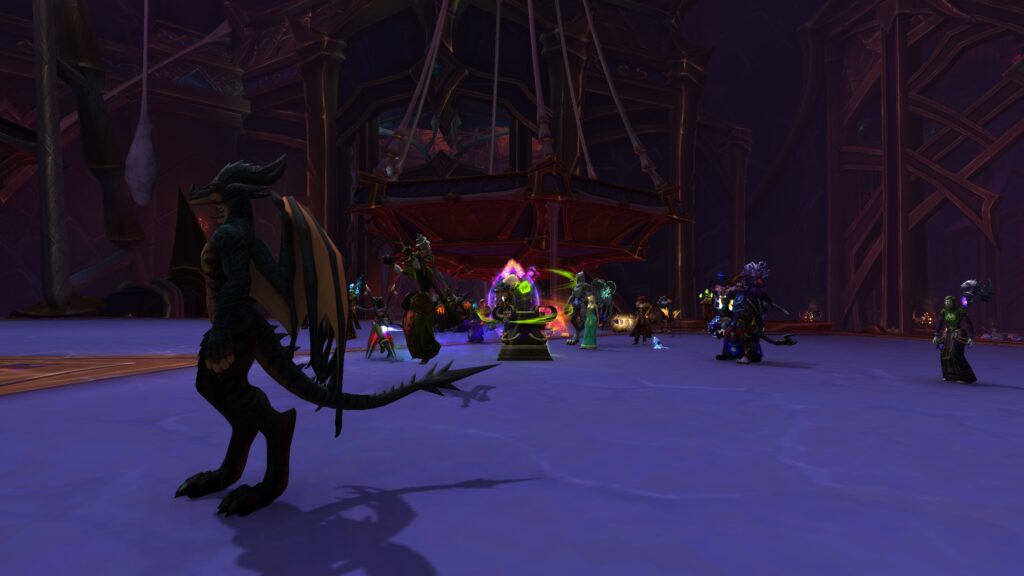
Mechanics are not just obstacles—they shape the strategies raid teams must use to succeed. Each encounter requires careful planning and execution, turning mechanics into opportunities for teamwork and creativity.
Examples of Mechanics-Driven Strategy:
- Split Teams: Encounters like Nefarian in *Blackwing Descent* require splitting the raid into groups to handle simultaneous threats.
- Environmental Awareness: Battles like Argus the Unmaker in *Antorus, the Burning Throne* use the environment to create dynamic challenges, such as moving between platforms.
- Role-Specific Mechanics: Healers, tanks, and DPS often face unique responsibilities, such as healing through burst damage or taunting at precise intervals.
Strategizing around these mechanics transforms raids into thrilling tests of skill and adaptability.
Learning and Mastering Mechanics
For players new to raiding, mastering mechanics can feel daunting. However, with preparation and practice, anyone can rise to the challenge.
Steps to Master Raid Mechanics:
- Research the Encounter: Watch guides and read strategies to understand what to expect from each boss.
- Use Addons: Tools like Deadly Boss Mods or BigWigs provide real-time alerts to help you respond to mechanics.
- Practice Positioning: Learn to anticipate movement requirements and react quickly to hazards.
- Communicate with Your Team: Coordination is crucial—call out key mechanics and ensure everyone is on the same page.
With consistent effort, players can turn mechanical challenges into opportunities to shine.
Iconic Mechanic-Heavy Encounters
Some of WoW’s most memorable raid encounters are celebrated for their innovative mechanics. These battles push teams to their limits and exemplify the importance of mastering strategy.
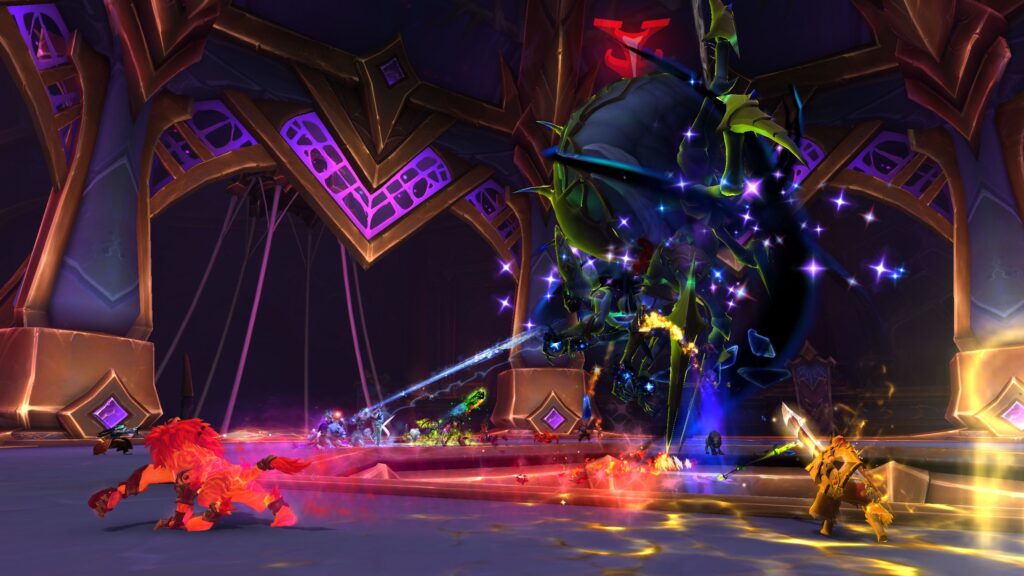
Notable Examples:
- Yogg-Saron (Ulduar): A multi-phase encounter requiring coordination to manage sanity, portals, and adds.
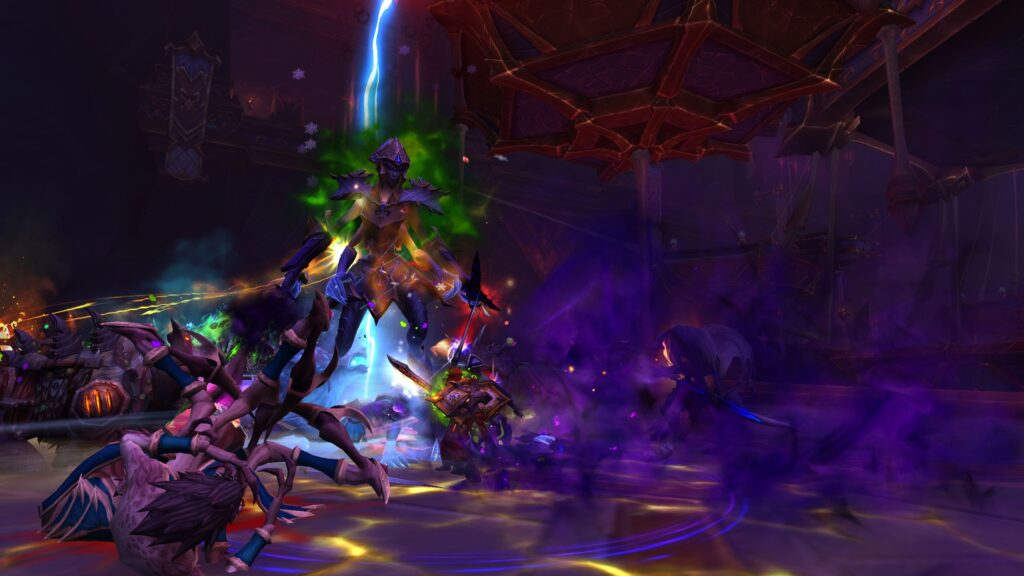
- Sire Denathrius (Castle Nathria): A fight with multiple phases, environmental hazards, and raid-wide responsibilities.
- Kael’thas Sunstrider (Tempest Keep): A complex battle with intermissions to defeat advisors and manage powerful weapons.
These encounters showcase how mechanics elevate raid battles into unforgettable experiences.
Conclusion
Raid mechanics are the heart of WoW’s endgame content, turning each encounter into a puzzle that demands strategy, teamwork, and execution. By learning to master these mechanics, players not only improve their own performance but also contribute to the success of their team. Whether you’re tackling classic raids or the latest challenges, understanding and adapting to mechanics is the key to victory—and the true art of raiding.
Home