
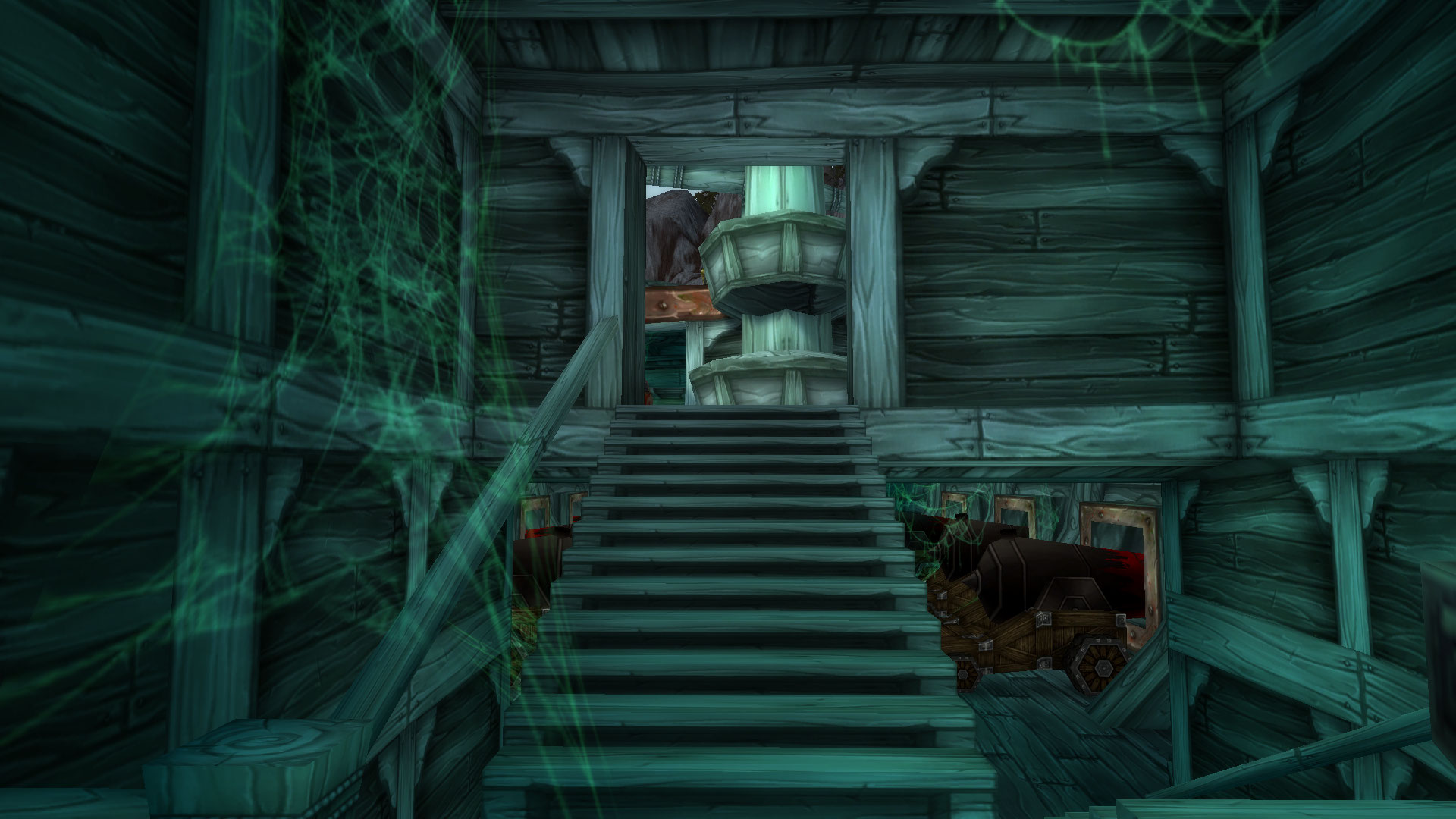





The Battle for Gilneas is a strategic battleground in World of Warcraft where controlling key points like the Waterworks and Lighthouse is crucial for victory. Understanding the mechanics of these locations, the optimal strategies for holding them, and the coordination required among team members can significantly influence the outcome of the match. This guide will delve into the specifics of controlling these objectives, providing players with actionable insights to enhance their gameplay and secure wins in rated battlegrounds.
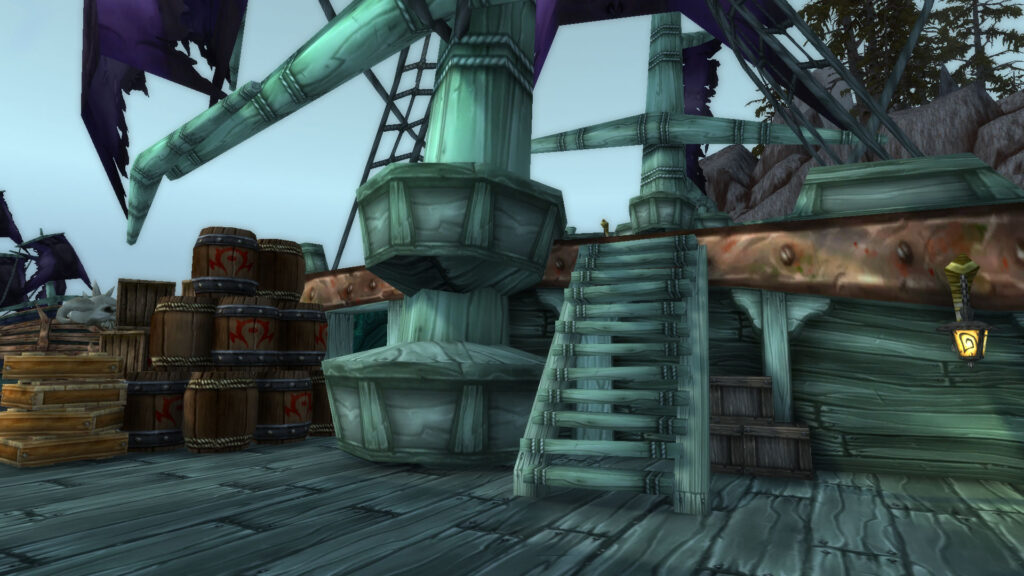
What are the key metrics for controlling Waterworks and Lighthouse in Gilneas?
Controlling the Waterworks and Lighthouse requires effective teamwork, strategic positioning, and timely rotations to secure victory.
In this section, we will analyze the critical metrics that define success in controlling the Waterworks and Lighthouse. The following table summarizes key performance indicators, including capture times, resource generation, and player engagement metrics that can guide your strategy.
| Objective | Capture Time (seconds) | Resource Generation (points/min) | Recommended Roles |
|---|---|---|---|
| Waterworks | 8 | 10 | Healers, DPS |
| Lighthouse | 8 | 10 | Tanks, DPS |
| Overall Control | N/A | 20 | All roles |
How do the mechanics of Waterworks and Lighthouse influence gameplay?
The mechanics of Waterworks and Lighthouse are pivotal in shaping the flow of the game, as they dictate resource generation and strategic positioning.
Both objectives in the Battle for Gilneas have a capture time of 8 seconds, which means that players must be quick and coordinated when attempting to take control. The resource generation from each point is 10 points per minute, contributing to the overall team score. The dynamics of these locations also involve environmental factors, such as the layout of the terrain and the availability of cover, which can be leveraged to gain an advantage over the opposing team. Understanding these mechanics is essential for players aiming to optimize their control strategies.
Furthermore, the strategic importance of these points cannot be overstated. Holding both the Waterworks and Lighthouse provides a significant advantage, as it allows for a steady influx of resources while denying the enemy team the same. The positioning of players around these objectives can create choke points and ambush opportunities, making it vital to understand the flow of battle and the potential for enemy rotations. Players should also be aware of the respawn timers and how they can impact control efforts, especially during critical moments of the match.
For example, if the opposing team is attempting to capture one of the points, coordinating a counter-attack can be crucial. Players should utilize crowd control abilities to disrupt enemy captures and maximize their own team’s effectiveness. Additionally, understanding the cooldowns of key abilities can turn the tide during engagements at these objectives, allowing for strategic plays that can secure control and ultimately lead to victory.
What are the best strategies for capturing and holding Waterworks and Lighthouse?
Effective strategies for capturing and holding the Waterworks and Lighthouse involve coordinated team efforts, strategic positioning, and timely rotations.
To successfully capture and hold these objectives, players must prioritize communication and teamwork. Establishing roles within the team can streamline efforts; for instance, assigning a tank to absorb damage while DPS players focus on eliminating threats can create a more effective capture strategy. Additionally, utilizing voice communication tools can enhance coordination, allowing players to call out enemy movements and strategize in real-time.
- Establish a clear rotation plan for defending and attacking objectives, ensuring that players are aware of their roles and responsibilities.
- Utilize crowd control abilities effectively to disrupt enemy captures and protect teammates during engagements.
- Maintain situational awareness by keeping track of enemy respawn timers and adjusting your strategy accordingly.
- Communicate frequently with your team to adapt to changing circumstances and reinforce objectives as needed.
Moreover, positioning is critical. Players should take advantage of the terrain to create ambush points and utilize high ground when possible. This can provide a tactical edge during skirmishes, allowing players to control the flow of battle. Additionally, when capturing an objective, it is essential to have a few players remain behind to defend against counter-attacks while others push forward to secure additional points.
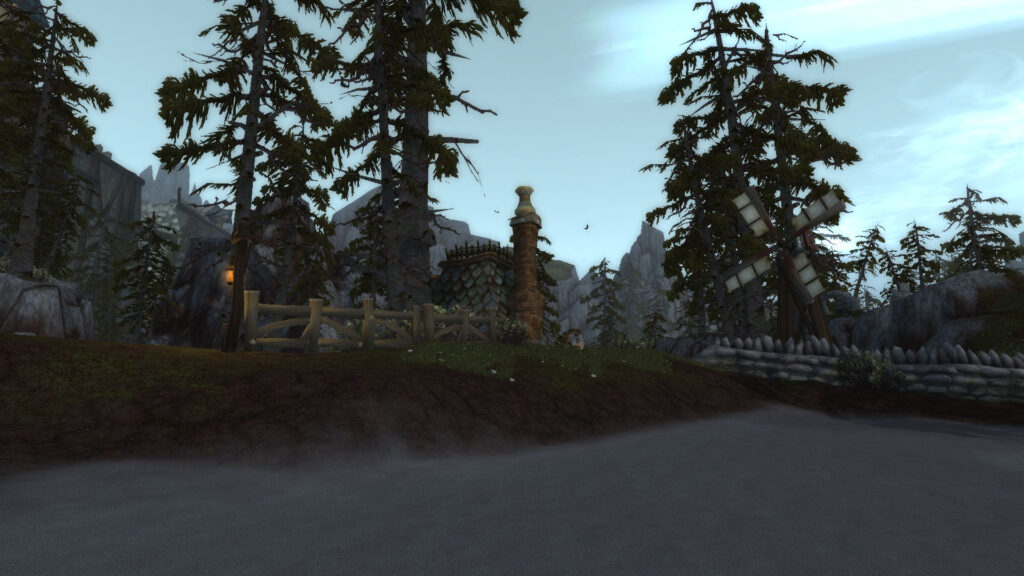
How can players optimize their gameplay in the Battle for Gilneas?
Players can optimize their gameplay in the Battle for Gilneas by focusing on teamwork, strategic positioning, and effective communication.
To enhance performance, players should familiarize themselves with the map layout and the locations of key objectives. Understanding the quickest routes to the Waterworks and Lighthouse can save valuable time during captures and rotations. Additionally, players should practice their class abilities to maximize their effectiveness in both offense and defense, ensuring they can contribute meaningfully during engagements.
Another critical aspect is to analyze past matches to identify strengths and weaknesses in team strategies. By reviewing gameplay footage or discussing strategies with teammates, players can pinpoint areas for improvement and adjust their tactics accordingly. This reflective practice can lead to better decision-making during matches, allowing players to adapt to the enemy’s strategies and counter them effectively.
Finally, maintaining a positive mindset and fostering team morale can significantly impact performance. Encouraging teammates and celebrating small victories can create a more cohesive team environment, which is essential for success in rated battlegrounds. Players should also be open to feedback and willing to adjust their strategies based on team dynamics and enemy behavior.
What common issues arise when controlling Waterworks and Lighthouse?
Common issues when controlling the Waterworks and Lighthouse include miscommunication, lack of coordination, and poor positioning.
One of the most prevalent issues is miscommunication among team members, which can lead to disjointed efforts during captures and defenses. Without clear communication, players may not be aware of enemy movements or the need to rotate between objectives, resulting in missed opportunities and potential losses. Additionally, players may struggle with positioning, either overextending themselves or failing to support teammates effectively during engagements.
Another challenge is the tendency for players to focus too heavily on individual performance rather than team objectives. This can lead to situations where players ignore the need for support or fail to execute coordinated attacks, ultimately compromising the team’s ability to control key points. To mitigate these issues, teams should establish clear communication protocols and emphasize the importance of teamwork during matches.
Moreover, players should be aware of the potential for enemy ambushes and adapt their strategies accordingly. This includes maintaining awareness of enemy respawn timers and positioning players strategically to counter potential threats. By anticipating enemy movements and adjusting tactics in real-time, teams can improve their chances of maintaining control over the Waterworks and Lighthouse.
What future trends should players consider for the Battle for Gilneas?
Future trends in the Battle for Gilneas may include changes in class balance, evolving strategies, and the impact of new expansions on gameplay.
As World of Warcraft continues to evolve, players should stay informed about class balance changes that may affect gameplay dynamics in the Battle for Gilneas. Adjustments to class abilities and mechanics can significantly influence strategies for capturing and holding objectives. Players should regularly review patch notes and community discussions to adapt their tactics accordingly.
Additionally, evolving strategies based on player experiences and meta shifts can lead to new approaches for controlling the Waterworks and Lighthouse. As players become more adept at the game, innovative strategies may emerge, emphasizing the importance of flexibility and adaptability in gameplay. Teams that are willing to experiment with new tactics and learn from their experiences will likely find success in rated battlegrounds.
Lastly, the introduction of new expansions may bring fresh content and mechanics that can impact the Battle for Gilneas. Players should remain engaged with the community and participate in discussions about upcoming changes, as this can provide valuable insights into how to optimize their gameplay and maintain a competitive edge in future matches.