





Expansion: Midnight
Author: Lore Historian
Date: 2024-07-25
Introduction: Evolution of a Scarred Land
The Ghostlands, a zone long defined by its tragic history and lingering Scourge corruption, has undergone significant changes with the “Midnight” expansion. This article provides a comparative analysis of the revamped Ghostlands map against its original iteration from The Burning Crusade (TBC), highlighting key alterations in geography, points of interest, and thematic focus.
The Original Ghostlands (TBC Era)
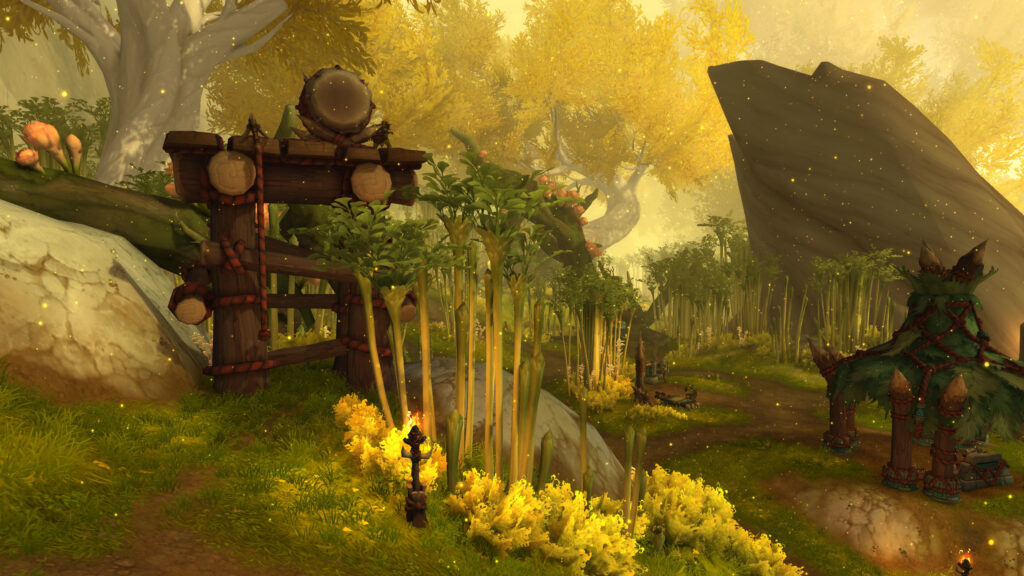
In TBC, the Ghostlands served primarily as a questing zone for Blood Elf characters and a contested territory. Its landscape was characterized by:
- Desolate Terrain: Vast expanses of grey, blighted land, scarred by past conflicts.
- Key Locations:
- Deathmist Island: A central hub for quests.
- Sunstrider Isle: Once a seat of power, now in ruins.
- Amani territories: Indicating the presence of the Amani Trolls.
- Plague areas: Pockets of intense Scourge influence.
- Thematic Focus: The zone heavily emphasized the Blood Elves’ struggle with the aftermath of Arthas’s invasion, the lingering Scourge threat, and the quest for redemption through the Sunwell.
The “Midnight” Revamped Ghostlands
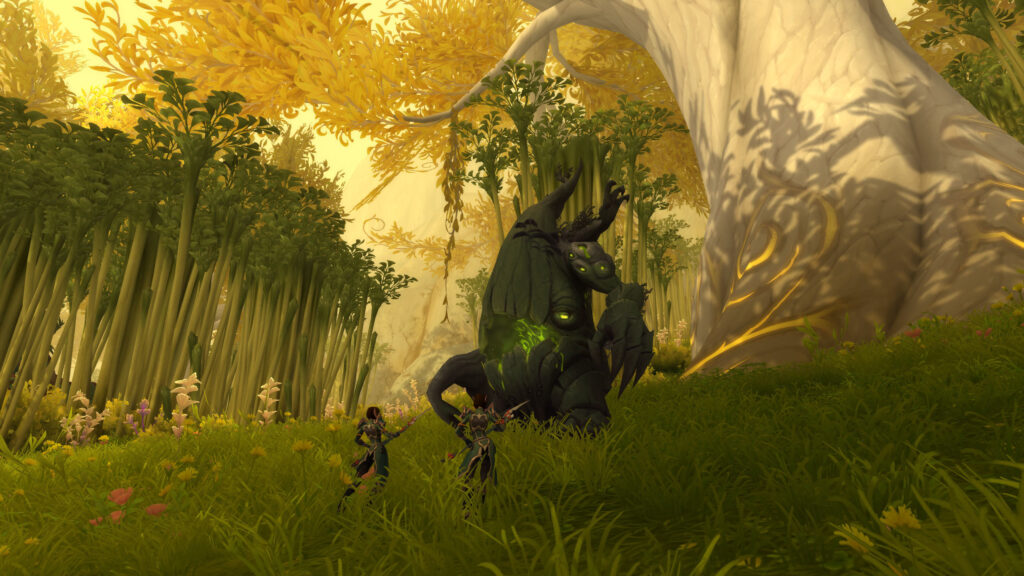
The “Midnight” update to the Ghostlands reflects a more dynamic and evolving landscape, influenced by new narrative developments:
Geographical Changes:
- Reclamation Efforts: Significant portions of the zone show signs of healing and reclamation, with pockets of renewed flora and efforts to cleanse Scourge corruption.
- New Structures: Addition of new Blood Elf settlements, research outposts studying Void energies, and fortified watchtowers.
- Altered Waterways: Changes to rivers and coastlines, potentially influenced by arcane shifts or new landmass formations.
New and Altered Points of Interest:
- Sanctuary of Light: A new bastion dedicated to the Light, offering a stark contrast to the zone’s inherent darkness.
- Harandir Encampments: Evidence of the mysterious Harandir faction establishing a presence, suggesting new lore and questlines.
- Void-Scarred Zones: Areas exhibiting new forms of Void corruption, distinct from Scourge Blight, indicating the expansion’s central conflict.
- Sunwell Echoes: Areas where residual Sunwell energy is manifesting in new ways, potentially altering the local environment and wildlife.
Thematic Shift:
While the scars of the past remain, the “Midnight” Ghostlands narrative shifts focus towards the ongoing battle against the Void, the growing influence of the Harandir, and the continued efforts to harness or contain the Sunwell’s power, adding layers to the Blood Elves’ story.
| Feature | Original Ghostlands (TBC) | Midnight Revamped Ghostlands | Key Changes Noted |
|---|---|---|---|
| Overall Landscape | Primarily Blighted, Desolate | Mixed: Blighted areas, Cleansed zones, Void-corrupted zones | Signs of healing and new corruption |
| Dominant Threat | Scourge, Amani Trolls | Void Entities, Harandir-related threats, lingering Scourge remnants | Introduction of Void as a primary antagonist |
| Key Settlements | Tranquilien, Sunstrider Isle ruins | Expanded Tranquilien, New Settlements (e.g., near Sanctuary of Light) | Growth and new points of refuge/conflict |
| Lore Focus | Post-Scourge recovery, Sunwell quest | Ongoing Void conflict, Harandir origins, Sunwell energy stabilization | Expansion of narrative into new threats and factions |
Conclusion: A Zone Reborn, Yet Haunted
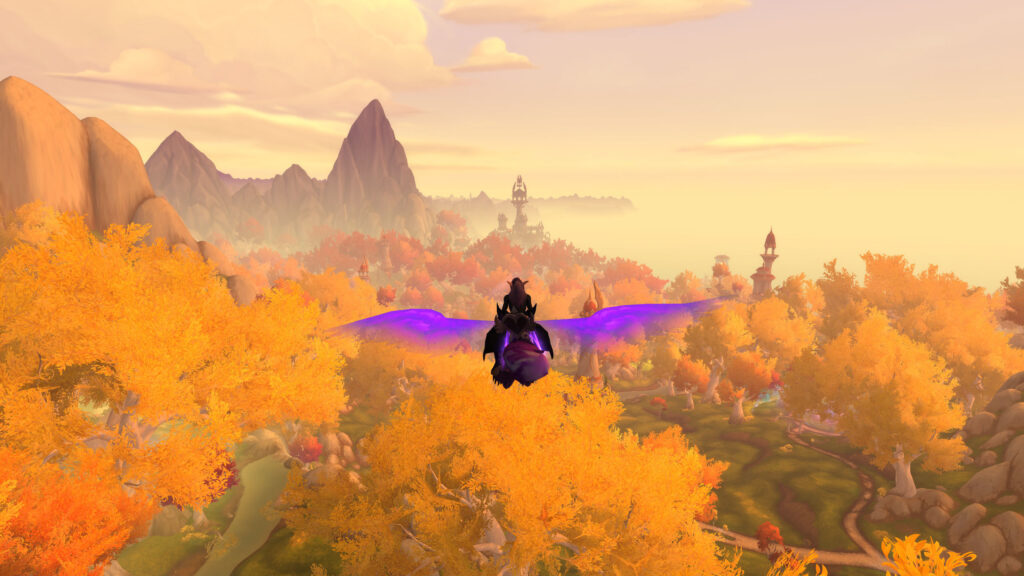
The “Midnight” revamp of the Ghostlands offers a compelling evolution of the zone. It retains its core identity as a place of sorrow and struggle but introduces new elements of hope, new threats, and deeper lore, making it a dynamic and engaging area for both veteran and new players.